Skin concerns we commonly assess and manage

Skin concerns are often influenced by multiple factors including genetics, environment, lifestyle, and underlying medical conditions.

Assessment focuses on understanding these contributing factors to guide appropriate, personalised management.

All concerns require individual assessment. Management recommendations vary between patients.

A medical approach to skin concerns

Skin is not treated in isolation

Consultations involve a comprehensive assessment of your skin, medical history, contributing factors, and treatment goals.
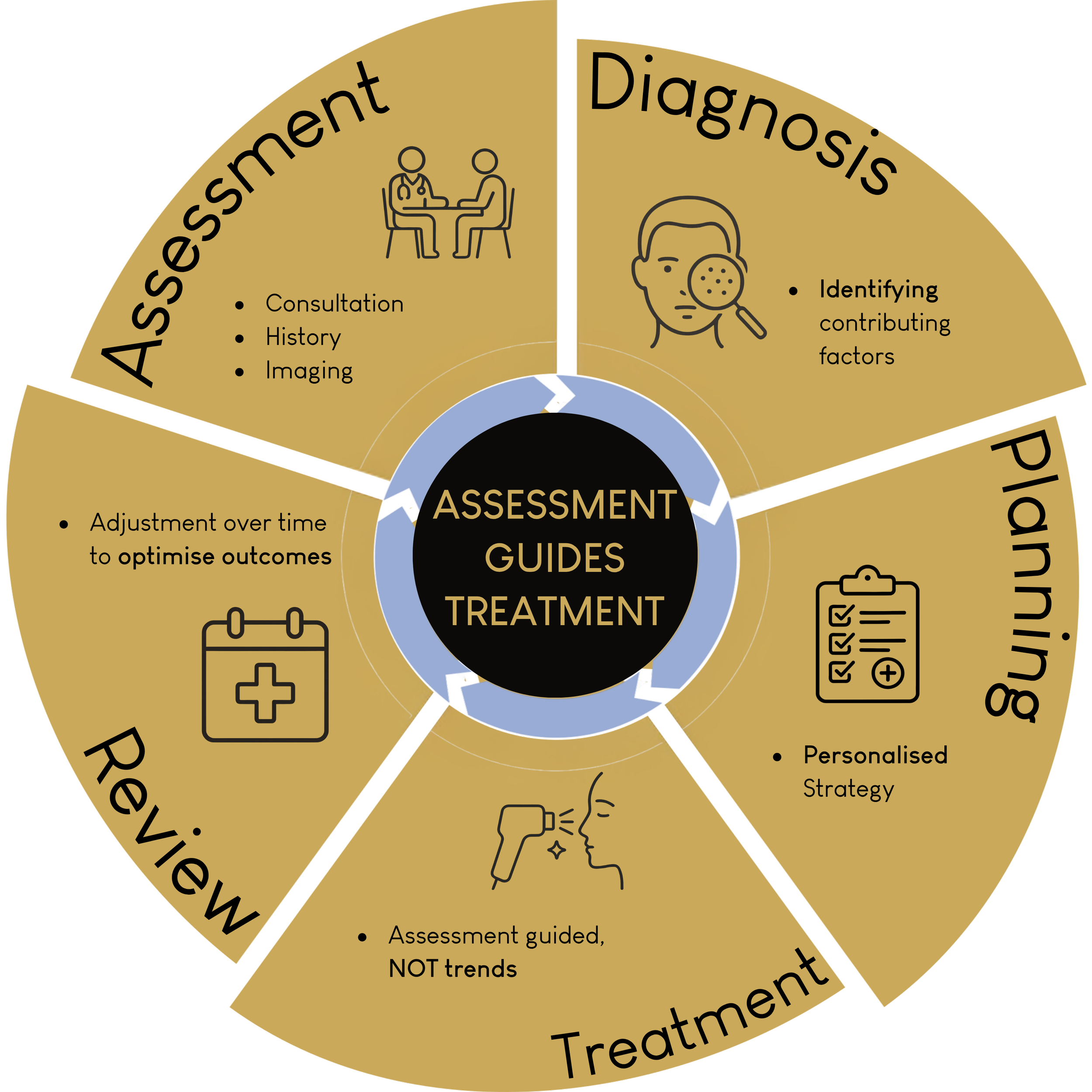
Management may include:

  • Medical treatment (where appropriate)

  • Skincare guidance

  • Procedural options

  • Combination approaches over time

Not all patients require procedural treatment.

Where should i start?

You do not need to identify your exact condition before booking.

This page outlines common concerns we assess — your consultation will determine the most appropriate approach for you.

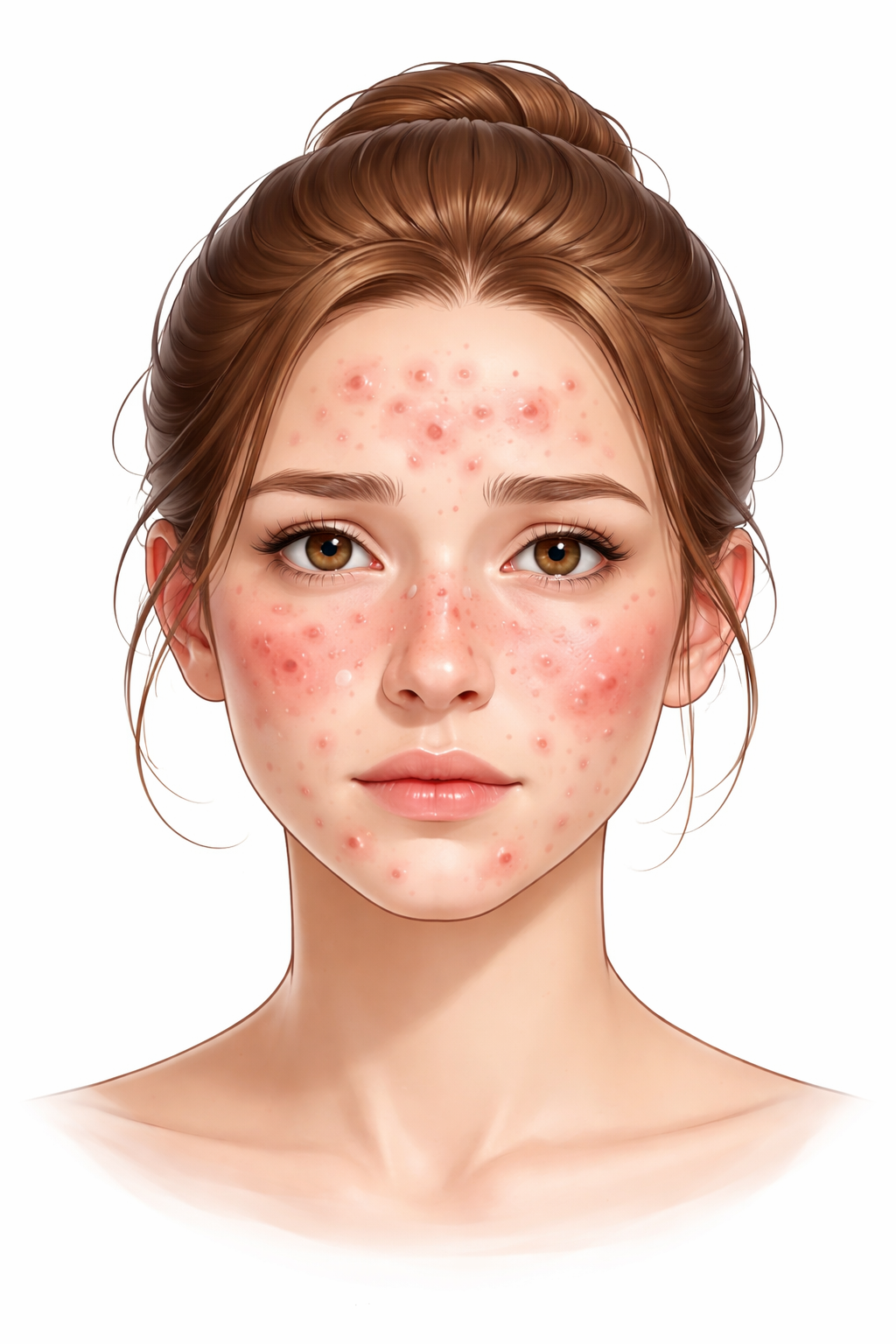
Acne & Breakouts

  • Adolescent and adult acne

  • Hormonal acne patterns

  • Congestion and recurrent breakouts

  • Hidradenitis Supporativa

Management may involve:

  • Topical or prescription treatments

  • Skincare optimisation

  • Support for underlying contributing factors

  • Procedural options in selected cases

Scarring & Texture changes

  • Acne scarring

  • Surgical or traumatic scars

  • Hypertrophic and keloid scars

  • General texture concerns

  • Stretch Marks

Management may involve:

  • Scar-specific treatment approaches

  • Collagen stimulation strategies

  • Procedural options where appropriate

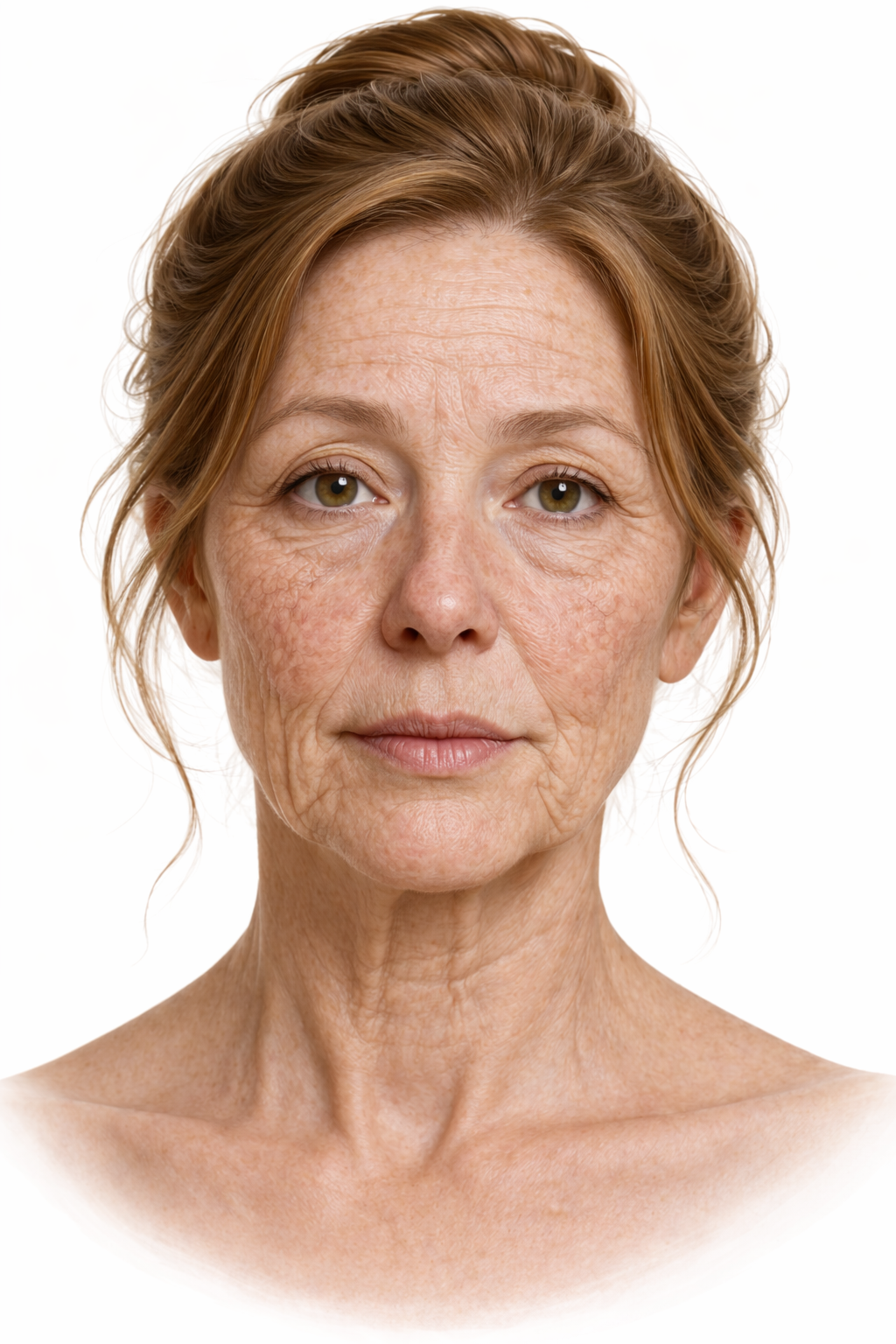
Skin ageing & structural changes

  • Fine lines and wrinkles

  • Volume changes

  • Skin laxity

  • Changes in skin quality

Management may involve:

  • Preventative strategies

  • Skincare optimisation

  • Structural and regenerative approaches

  • Procedural options in selected cases

hyperhidrosis (excessive sweating)

  • Underarm sweating

  • Palms, soles, or facial sweating

Management may involve:

  • Medical treatment

  • Procedural options where appropriate

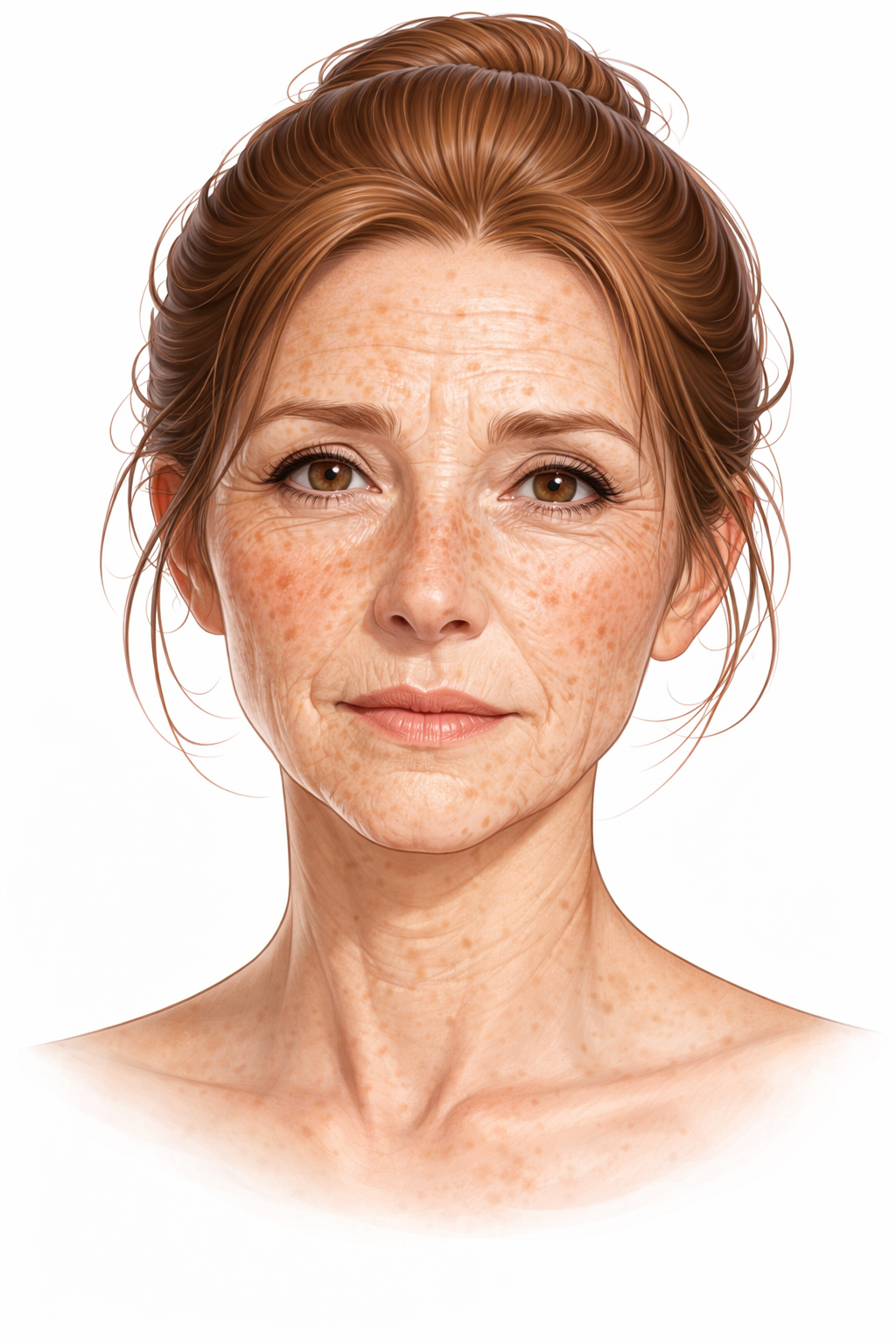
Pigmentation & SUn Damage

  • Sunspots (lentigines)

  • Melasma

  • Post-inflammatory pigmentation (PIH)

Management may involve:

  • Photoprotection strategies

  • Targeted skincare

  • Medical treatment where appropriate

  • Procedural options in selected cases

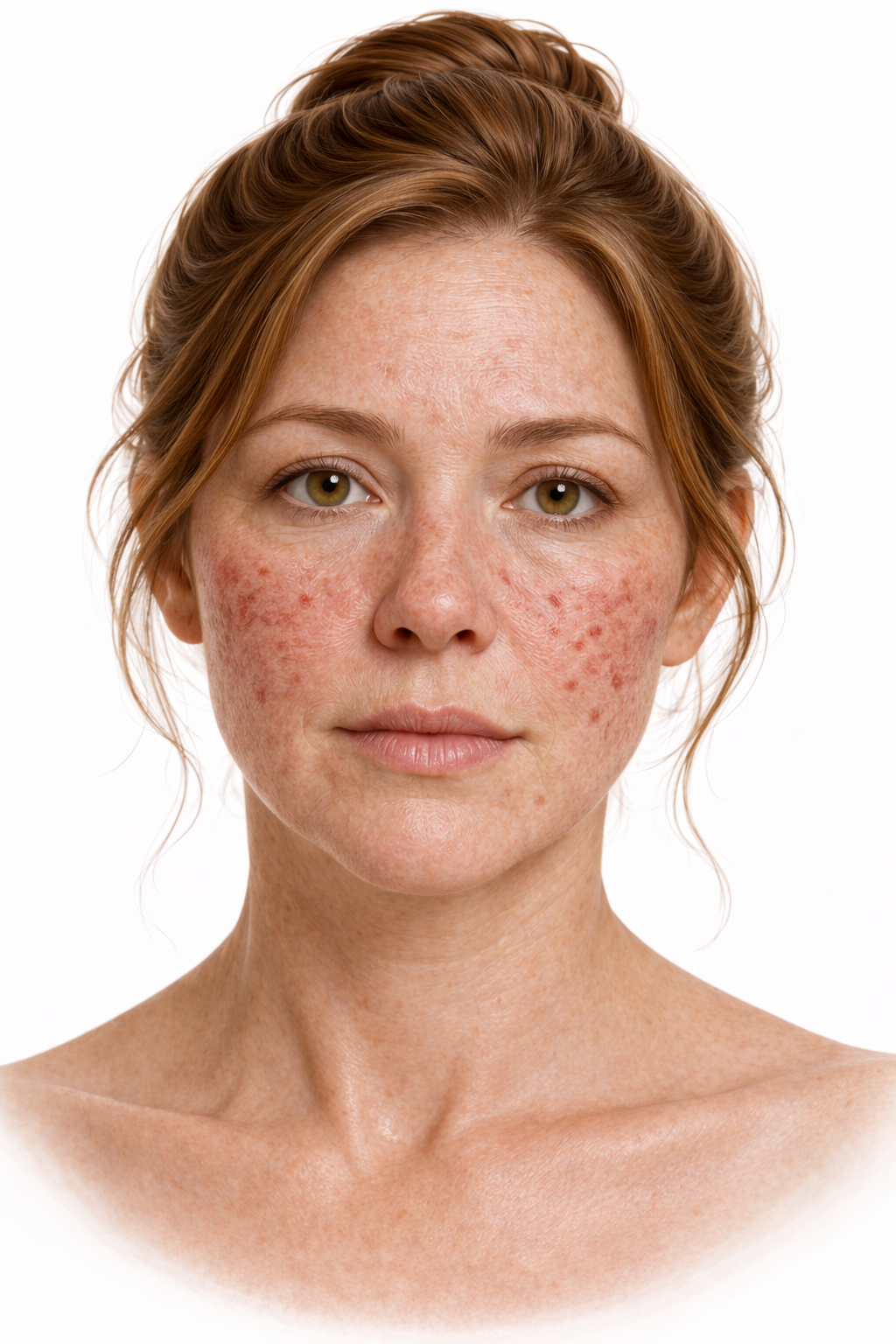
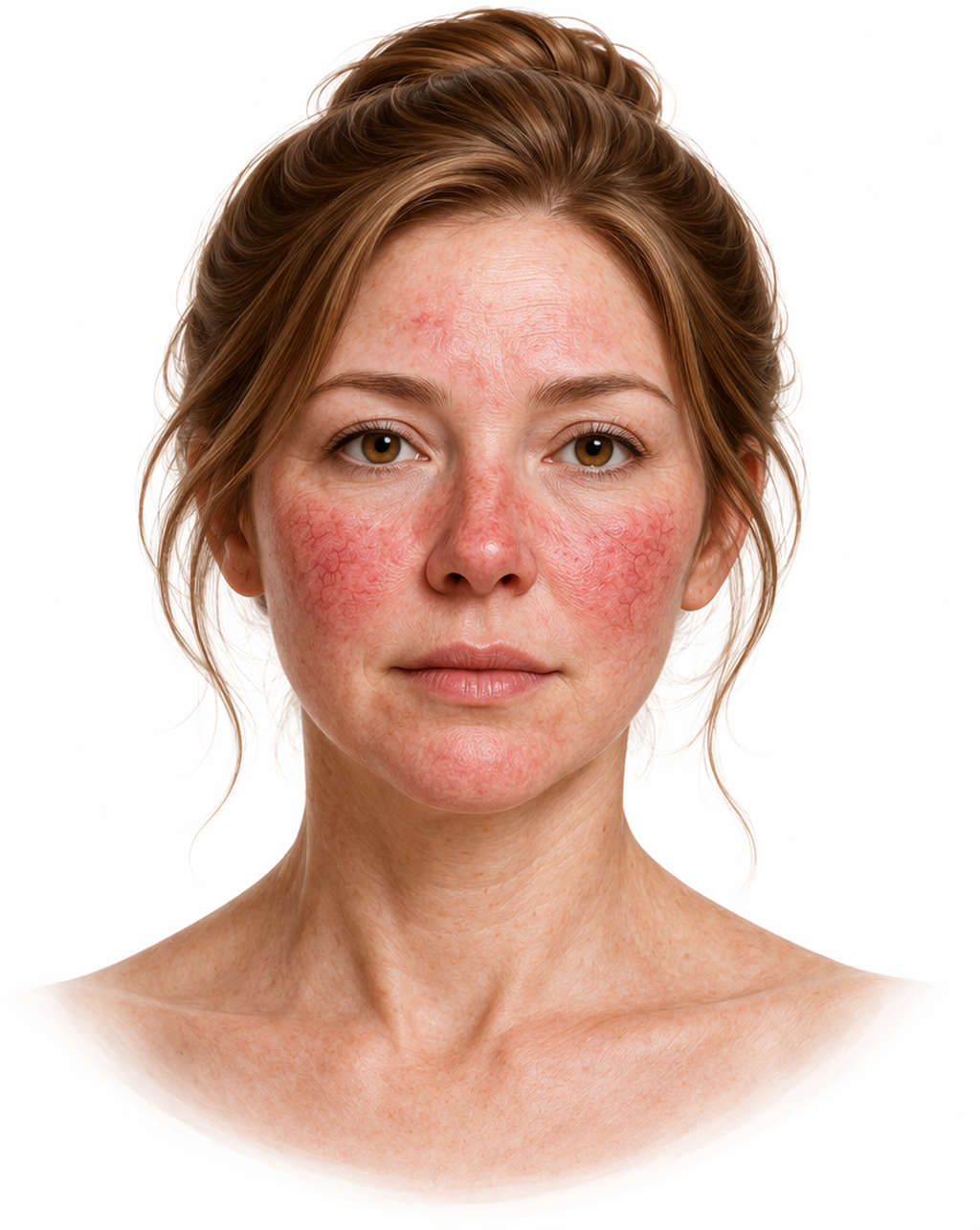
Rosacea & Facial redness

  • Persistent redness

  • Flushing

  • Inflammatory rosacea

Management may involve:

  • Trigger identification and avoidance

  • Medical treatment where appropriate

  • Skincare support

  • Procedural options in selected cases

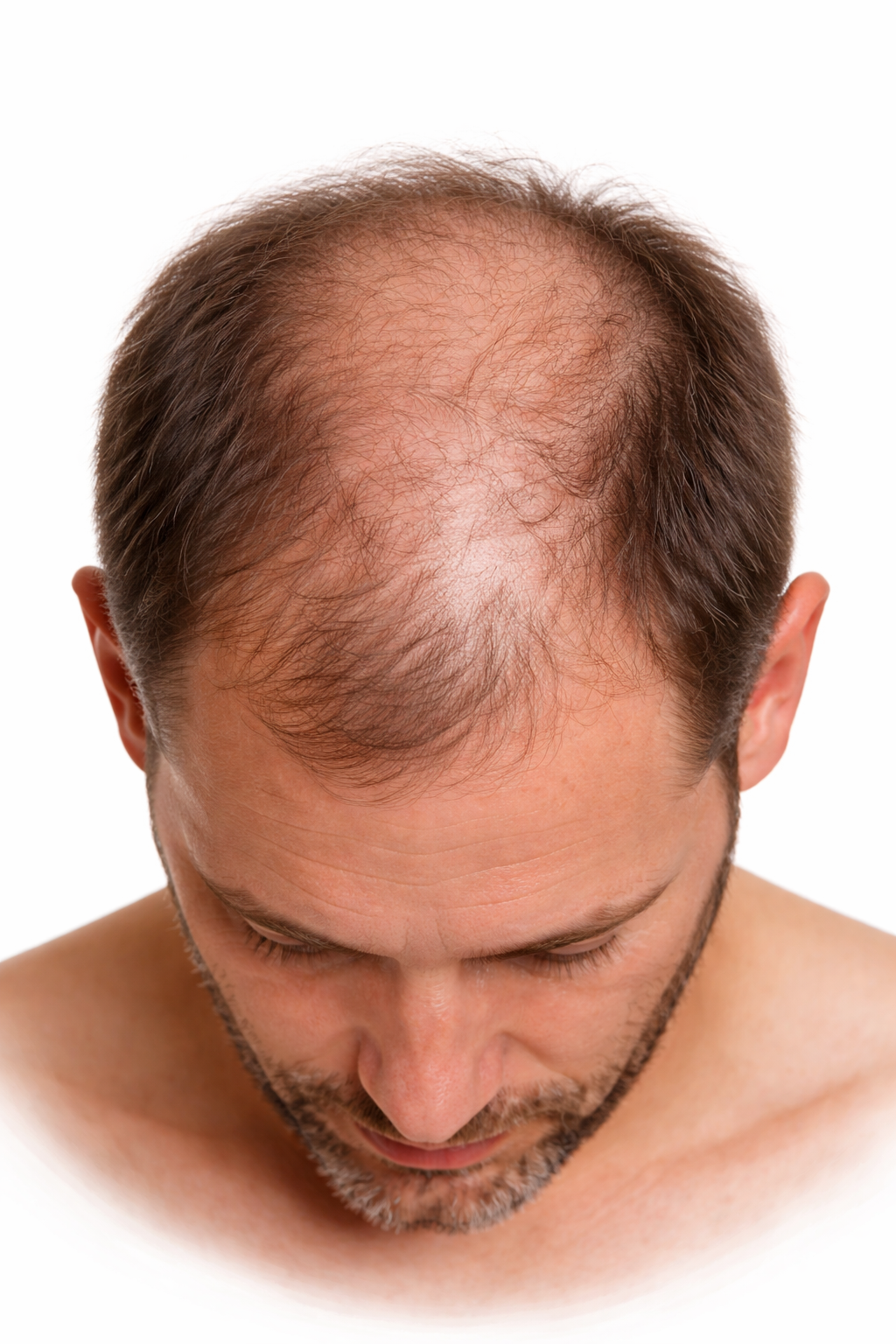
hair loss & thinning

  • Male and female pattern hair loss

  • Diffuse thinning

  • Hair shedding

  • Alopecia Areata

Management may involve:

  • Assessment of contributing factors

  • Medical treatment where appropriate

  • Supportive therapies

general skin health

  • Preventative skin health reviews

  • Skin optimisation

  • Early identification of concerns

Management may involve:

  • Long-term skin health

  • Education and prevention

  • Individualised care planning

Important Notes

Medical consultation required prior to treatment.

Not all concerns require intervention; sometimes observation or skincare alone is appropriate.

Multiple sessions are commonly needed for optimal results.

All procedures carry risk. Results vary between individuals.

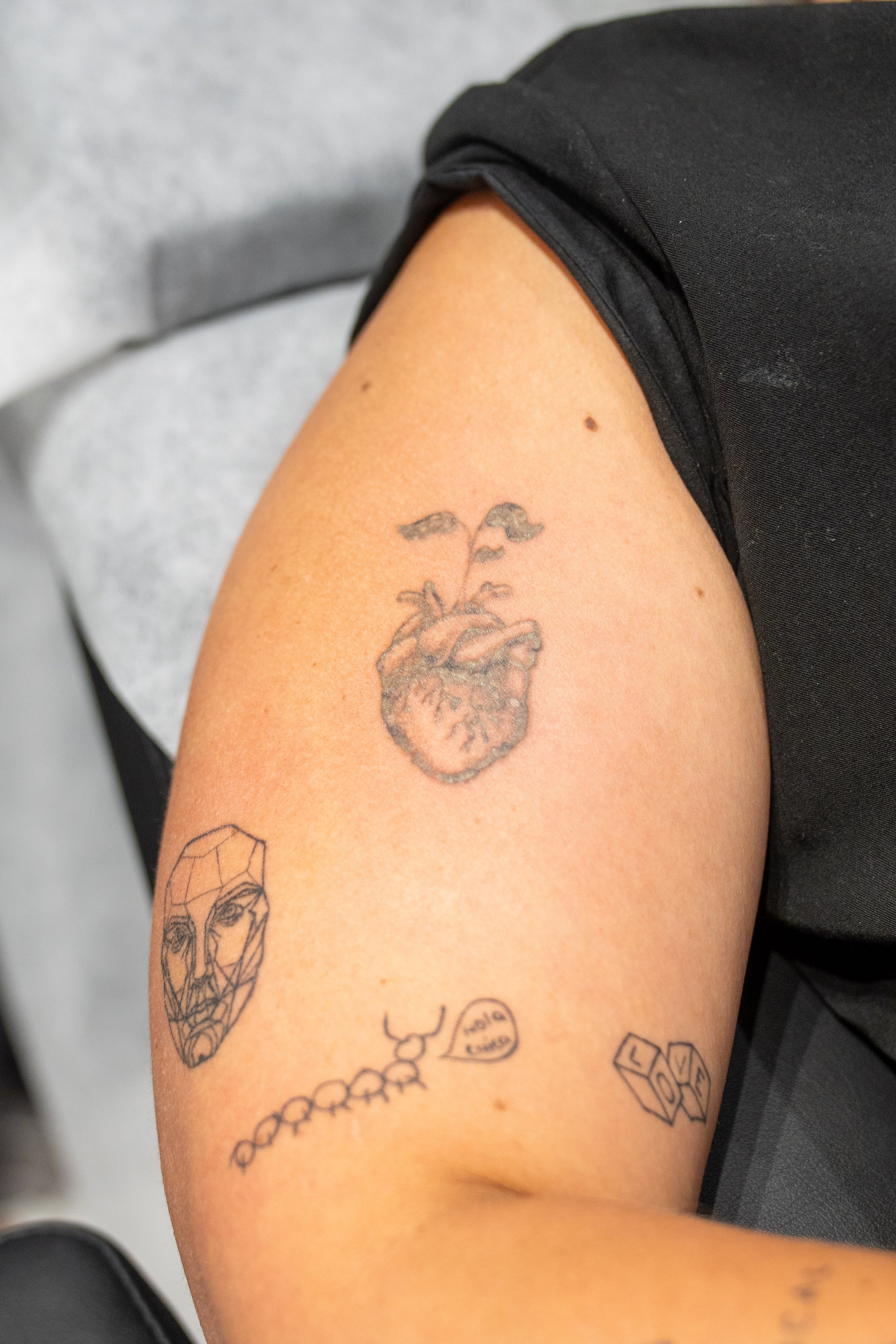
Tattoo removal

Management may involve:

  • Energy Based Devices

Treatment approach

How treatment decisions are made

Treatment recommendations are based on:

  • Clinical assessment

  • Underlying causes

  • Severity and progression

  • Patient goals and preferences

Where appropriate, a plan may include:

  • Medical treatment

  • Skincare

  • Energy-based devices (e.g. laser, IPL, LED)

  • Regenerative or procedural options

Treatment is not required for all patients.

layering approach

Why multiple approaches are sometimes recommended

Skin concerns often involve multiple underlying processes.

For this reason, management may involve combining approaches over time to address:

  • Pigment

  • Vascular changes

  • Texture

  • Structural support

Your treatment plan is tailored and may evolve with review.

Not sure what applies to you?

You do not need to self-diagnose.

A consultation allows for:

Accurate assessment

Discussion of options

Personalised treatment planning

All treatments require consultation and suitability assessment. Management plans are individualised. All medical and procedural treatments carry potential risks.