Tattoo Removal
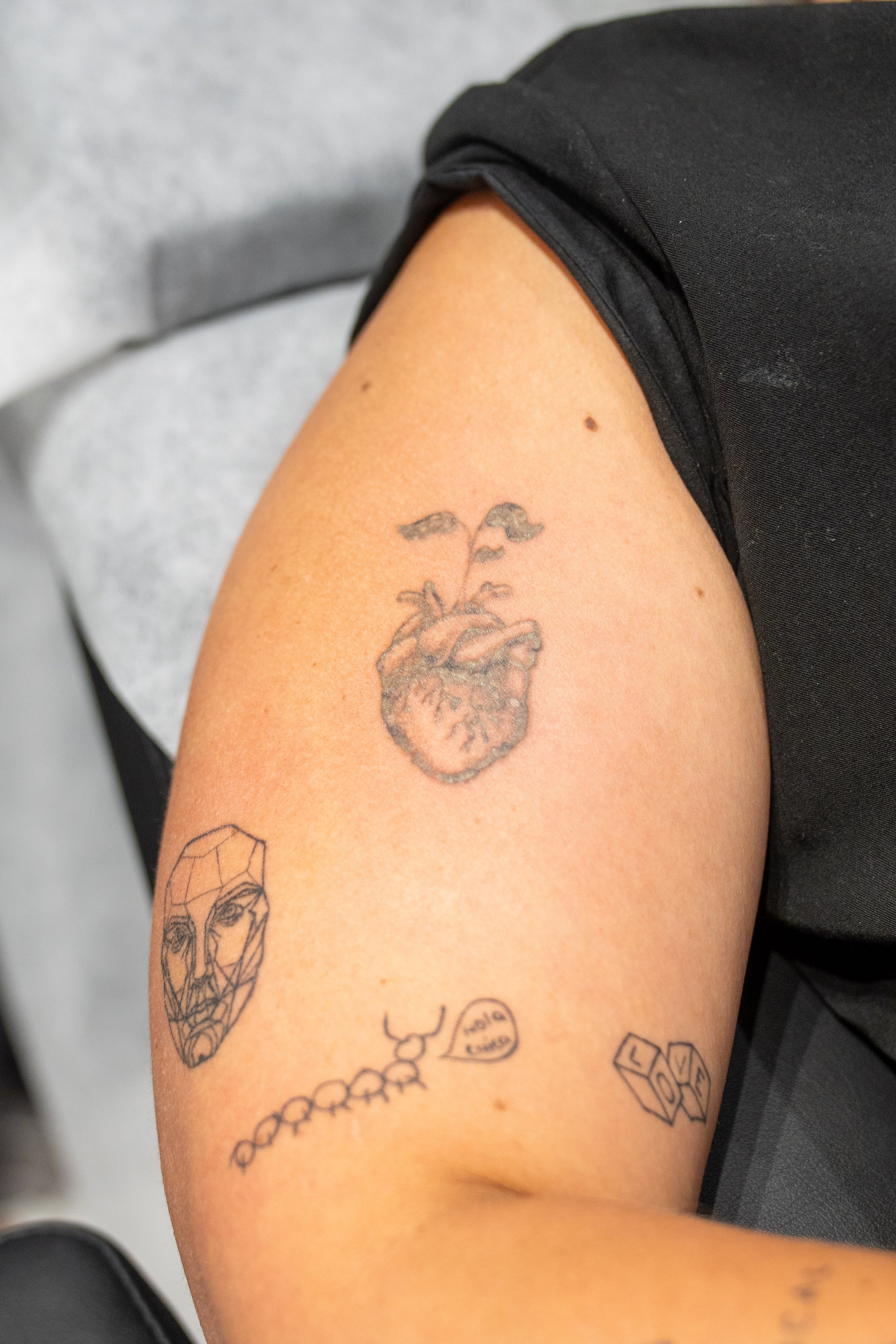
Tattoos are designed to be permanent. Removal is possible — but it requires patience, realistic expectations, and an honest conversation about what’s achievable before you start.
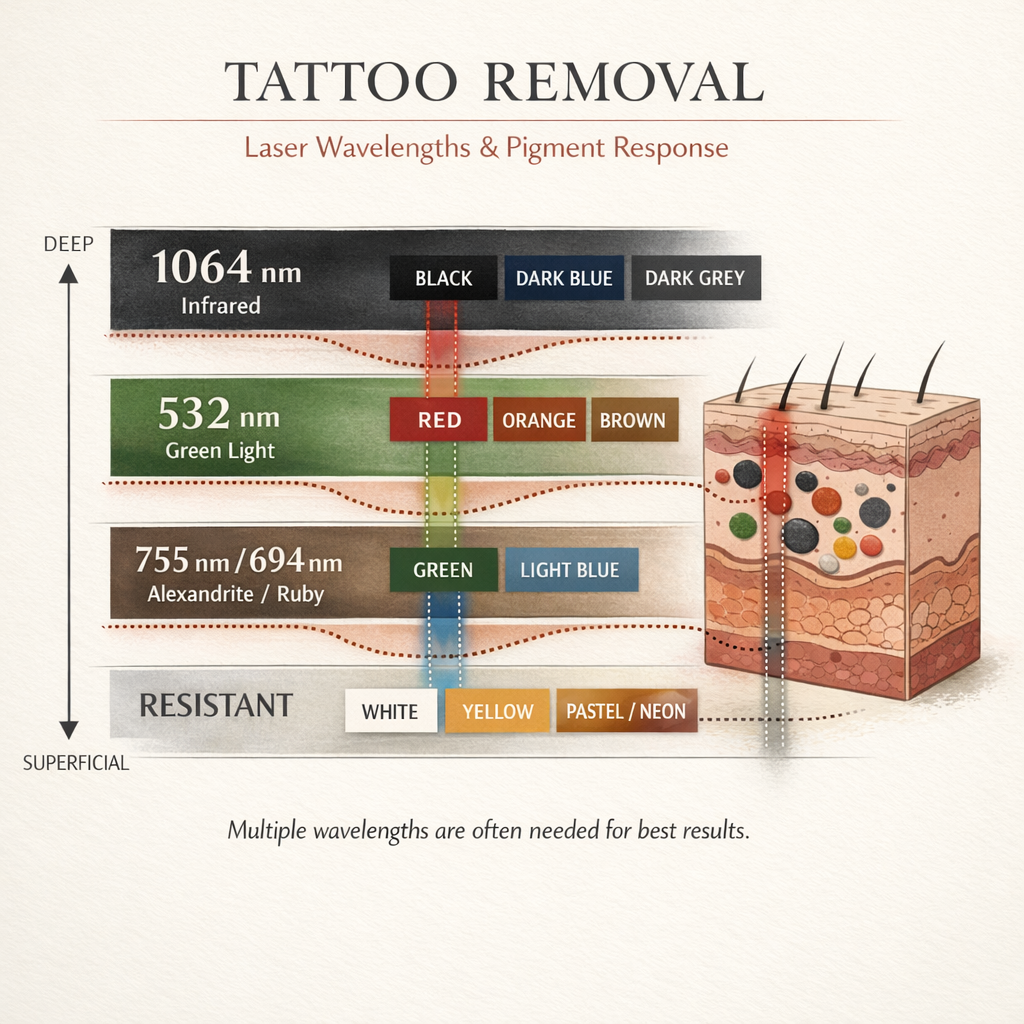
The variables that determine how a tattoo responds to removal are significant — ink colour and composition, pigment depth, whether it’s professional or amateur, its location on the body, your skin type, and your immune response. Black and dark blue inks respond best. Certain colours — particularly greens, yellows, and light blues — are significantly more resistant. Complete removal is not always possible, and fading for cover-up or modification is a realistic and often preferable goal for many patients.
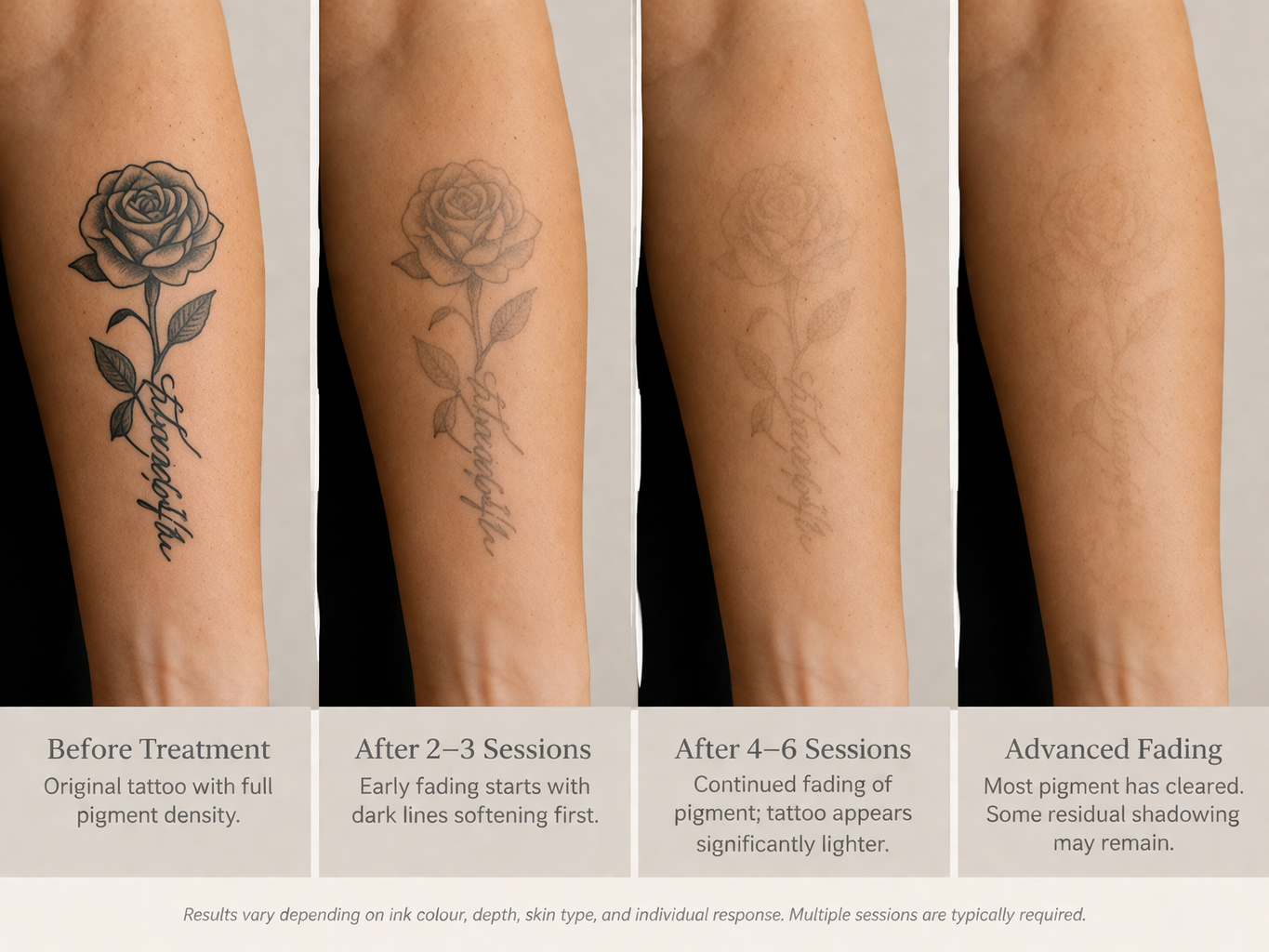
Treatment uses targeted light energy to break down pigment, which the body then gradually clears over time. Multiple sessions are required, spaced at appropriate intervals to allow proper healing and clearance between treatments. Skipping sessions or rushing the process doesn’t accelerate results — it compromises them.
Assessment here looks at tattoo characteristics, skin type, and treatment goals before a plan is developed.
Pricing is based on tattoo size — small from $150, medium $300–$700, large $600–$900 and above. Risks and aftercare are discussed in full during consultation.