
Hair Loss & thinning
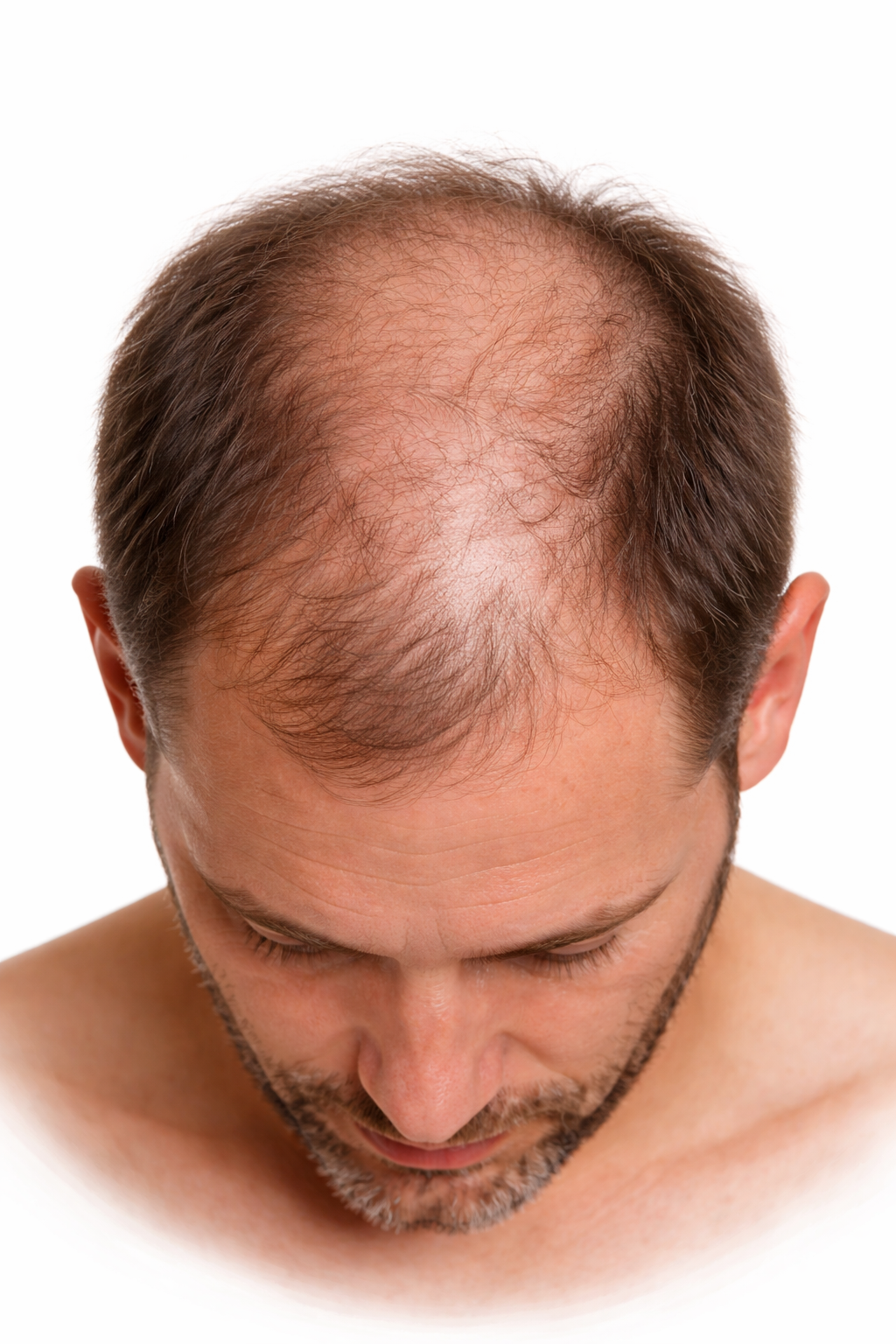
Hair loss is one of the most emotionally loaded concerns patients bring to a clinic, and one of the most commonly under-managed. Not because solutions don’t exist — they do — but because most approaches treat the symptom without identifying the cause.
Pattern hair loss in a 35-year-old woman with irregular periods is a different clinical picture to diffuse shedding triggered by iron deficiency or thyroid dysfunction. Treating them identically produces inconsistent results. The assessment is what makes the difference.
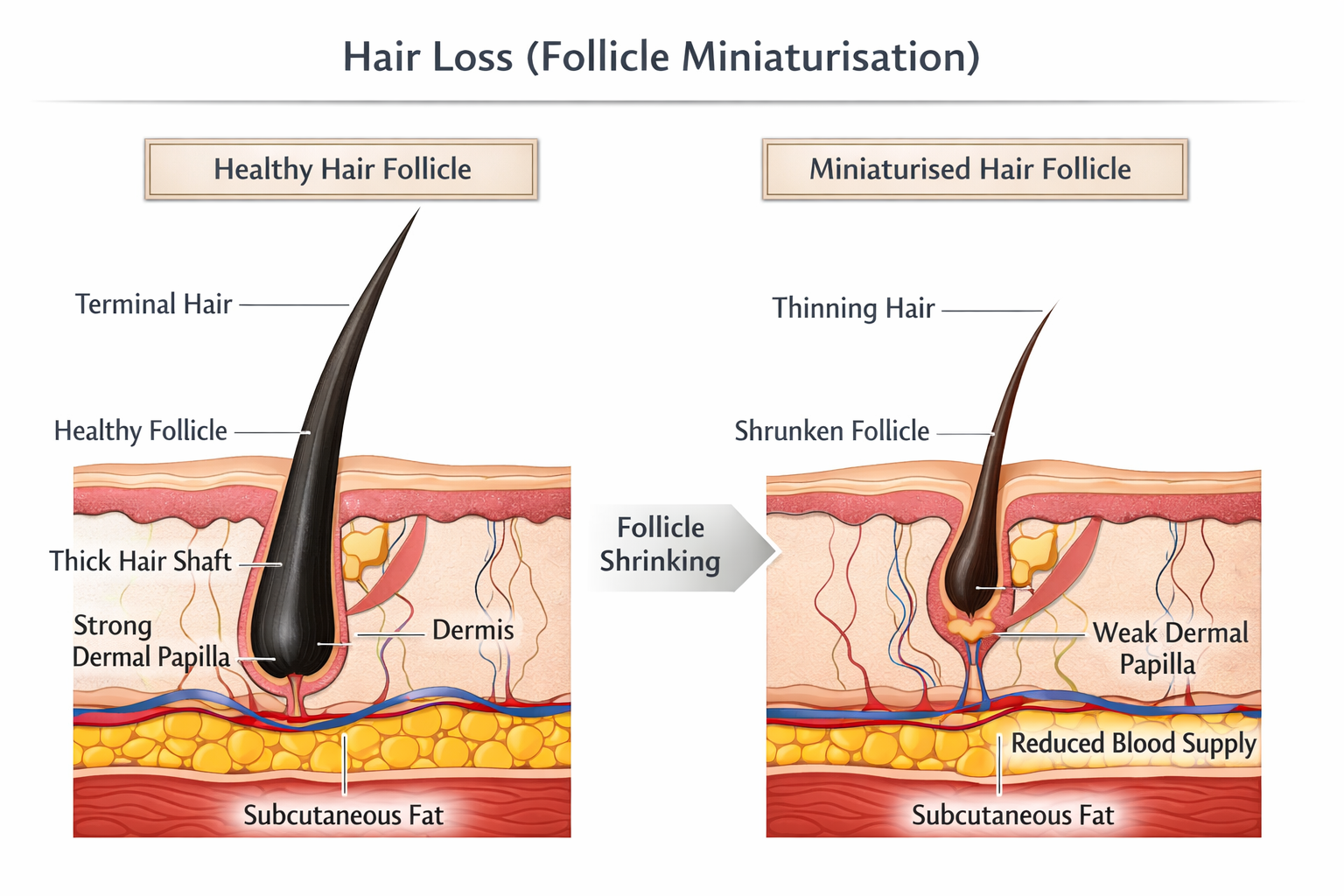
At this clinic, hair loss is assessed medically. Contributing factors — genetic predisposition, hormonal influences, nutritional status, medical conditions, medications, and stress — are considered before any management plan is developed. Treatment may include PRP, laser-based scalp stimulation, medical therapies where appropriate, and targeted scalp and home-based care. Consistency is essential — hair growth is slow and results require patience and commitment.
Not all patients require procedural treatment. Some will benefit most from addressing an underlying medical cause. That conversation happens in the consultation.